Key Takeaways
- AI-generated content requires significant human refinement to rank effectively.
- Focus on E-E-A-T (Experience, Expertise, Authoritativeness, Trustworthiness) to build credibility.
- Thorough keyword research and strategic placement are crucial for AI content.
- Humanize AI text using tools like Humanizer to bypass detectors and improve readability.
- Content freshness, internal linking, and mobile optimization are vital for SEO success.
- User experience, including readability and engagement, directly impacts rankings.
- Regular monitoring and adaptation of SEO strategies are necessary in the evolving AI landscape.

Rank AI-Generated Articles: SEO Strategies for Success
The rise of AI content generation has revolutionized content creation, offering unparalleled speed and scale. Tools like ChatGPT, Jasper, and others can churn out articles, blog posts, and marketing copy in mere minutes. However, simply generating content isn't enough; for it to be effective, it needs to rank on search engines. The challenge lies in making AI-generated content stand out in a sea of similar outputs and meet the nuanced demands of Google's algorithms, which increasingly prioritize quality, originality, and human-like readability.
This comprehensive guide will delve into advanced SEO strategies specifically tailored for AI-generated articles. We’ll explore how to optimize your AI content to achieve higher rankings, attract organic traffic, and provide genuine value to your audience, all while navigating the complexities of AI detection and maintaining a competitive edge.
Key takeaways
- AI-generated content requires significant human refinement to rank effectively.
- Focus on E-E-A-T (Experience, Expertise, Authoritativeness, Trustworthiness) to build credibility.
- Thorough keyword research and strategic placement are crucial for AI content.
- Humanize AI text using tools like Humanizer to bypass detectors and improve readability.
- Content freshness, internal linking, and mobile optimization are vital for SEO success.
- User experience, including readability and engagement, directly impacts rankings.
- Regular monitoring and adaptation of SEO strategies are necessary in the evolving AI landscape.
Understanding the AI Content Landscape for SEO
Before diving into specific strategies, it's crucial to understand the current state of AI content and its interaction with search engine algorithms. Google has stated that it doesn't inherently penalize AI-generated content, provided it's high-quality, helpful, and meets its guidelines. The challenge, however, is that raw AI output often falls short of these standards.
The Strengths and Weaknesses of AI-Generated Content
Strengths:
- Speed and Scale: AI can produce large volumes of content rapidly, ideal for scaling content efforts.
- Cost-Effective: Reduces the need for extensive human writing time, lowering production costs.
- Idea Generation: Excellent for brainstorming topics, outlines, and initial drafts.
- Consistency: Can maintain a consistent tone and style across multiple pieces.
Weaknesses:
- Lack of Originality/Depth: Often rehashes existing information, struggling with true originality or deep insights.
- Factual Inaccuracies: Prone to "hallucinations" or presenting outdated information as fact.
- Repetitive Phrasing: Can use predictable sentence structures and vocabulary, leading to monotonous text.
- Generic Tone: Lacks a unique voice, personal anecdotes, or genuine human experience.
- AI Detection Risk: Raw AI text can be flagged by AI detectors, potentially impacting perceived quality.
Google's Stance on AI Content
Google's primary goal is to provide users with the most helpful and reliable information. While they don't ban AI content, they heavily emphasize quality and the Helpful Content System. This means content, regardless of its origin, must:
- Be written for people, not search engines.
- Demonstrate E-E-A-T (Experience, Expertise, Authoritativeness, Trustworthiness).
- Provide unique value and insights.
- Be free from factual errors and spammy tactics.
Therefore, the key to ranking AI-generated articles isn't to hide their AI origin but to enhance them to meet these human-centric quality benchmarks.
Foundational SEO Strategies for AI Content
Before refining the AI output, core SEO principles must be applied. These form the bedrock of any successful content strategy.
1. Comprehensive Keyword Research
Even with AI's capabilities, robust keyword research remains paramount. Identify relevant, high-volume, low-competition keywords that align with your audience's search intent.
- Long-Tail Keywords: AI is excellent at expanding on specific topics. Leverage long-tail keywords (e.g., "best vegan restaurants in Brooklyn for brunch") to capture highly specific user queries.
- Semantic Keywords: Don't just target exact match keywords. Use AI to generate related terms and phrases that provide context and depth to your content, helping Google understand the topic more comprehensively.
- Competitor Analysis: Analyze what keywords your competitors are ranking for. Use AI to generate content that covers these topics with added value or a fresh perspective.
2. Optimizing for Search Intent
Understanding why a user is searching for a particular keyword is critical. Is it informational, navigational, transactional, or commercial investigative? Your AI-generated content must align with this intent.
- Informational: Provide detailed answers, guides, and explanations.
- Navigational: Guide users to a specific page or resource.
- Transactional: Focus on product descriptions, reviews, and calls to action.
- Commercial Investigative: Offer comparisons, pros and cons, and in-depth analyses.
Use AI to structure your article in a way that directly addresses the user's intent from the outset, leading to lower bounce rates and higher engagement.
3. Structuring for Readability and Scannability
Even the most insightful content won't rank if it's a wall of text. AI can help create a well-structured article, but human oversight is essential.
- Clear Headings and Subheadings (H2, H3): Use these to break down complex topics and improve scannability. Ensure they are descriptive and include keywords naturally.
- Short Paragraphs: Keep paragraphs concise (2-4 sentences) to enhance readability, especially on mobile devices.
- Bullet Points and Numbered Lists: Ideal for presenting information clearly and concisely, making key takeaways easy to grasp.
- Visual Breaks: While we can't add images in this output, remember that in a live blog post, images, infographics, and videos break up text and improve engagement.
Elevating AI Content with Human-Centric Refinements
This is where the real magic happens. Taking raw AI output and transforming it into high-ranking content requires significant human intervention and strategic refinement.
1. Humanizing the Text: The Key to Undetectability and Engagement
Raw AI text often sounds robotic, repetitive, and lacks nuance. This is a major red flag for both human readers and sophisticated AI detectors. To combat this, you need to humanize the text.
- Vary Sentence Structure and Vocabulary: Manually edit sentences to introduce variety. Replace common AI-isms with more natural phrasing. An undetectable AI text tool like Humanizer can be invaluable here, helping to rewrite AI content to sound more natural and less detectable.
- Inject Personality and Tone: Add your brand's unique voice. Use metaphors, analogies, and rhetorical questions. Share anecdotes or examples that resonate with a human audience.
- Eliminate Redundancy: AI can be verbose. Condense repetitive phrases and ensure every sentence adds value.
- Improve Flow and Transitions: Ensure smooth transitions between paragraphs and sections, creating a cohesive narrative.
For more insights on making AI text sound human, consider exploring resources like Free AI Humanizer Online: Make Your Text Sound Human & Bypass Detectors.
2. Fact-Checking and Deepening Content
AI models are trained on vast datasets but can sometimes generate incorrect or outdated information. Always fact-check your AI content.
- Verify All Data Points: Cross-reference statistics, dates, names, and claims with reliable sources.
- Add Original Research/Insights: Supplement AI content with unique data, expert quotes, case studies, or personal experiences that AI cannot generate. This significantly boosts E-E-A-T.
- Provide Fresh Perspectives: Challenge common assumptions or offer a new angle on a well-trodden topic. This makes your content stand out.
3. Optimizing for E-E-A-T (Experience, Expertise, Authoritativeness, Trustworthiness)
E-E-A-T is more critical than ever, especially for AI-generated content. Google wants to see that content is created by people with genuine experience and knowledge.
- Showcase Experience: If possible, incorporate first-hand accounts, case studies, or practical advice that demonstrates real-world experience.
- Cite Authoritative Sources: Link to reputable academic papers, industry reports, and well-known experts. This strengthens the trustworthiness of your content.
- Author Bios: Ensure your author bios are detailed, highlighting their qualifications and relevant experience.
- Build Backlinks: Earn backlinks from authoritative sites in your niche. This signals to Google that your content is valuable and trustworthy.
4. Strategic Internal and External Linking
Linking is a powerful SEO signal that AI can't fully grasp on its own.
- Internal Linking: Link to other relevant articles on your website. This helps Google understand your site's structure, distributes link equity, and keeps users engaged longer. Ensure these links are contextually relevant and use descriptive anchor text. For example, if you're discussing how students can use AI, you might link to AI Paraphrasing for Students: Write Naturally & Avoid AI Detection.
- External Linking: Link out to high-authority, relevant external sources. This supports your claims, provides additional resources for readers, and demonstrates thorough research, boosting your E-E-A-T.
Advanced SEO Tactics for AI-Generated Articles
Beyond the foundational and refinement stages, several advanced tactics can further propel your AI content up the SERPs.
1. Optimizing for Featured Snippets and Rich Results
Featured snippets (position zero) offer immense visibility. AI can help generate content that is structured for these coveted spots.
- Answer Questions Directly: Use AI to generate concise, direct answers to common questions related to your topic.
- Use Structured Data: Implement schema markup (e.g., FAQ schema, HowTo schema) to help Google understand your content's structure and display it as rich results.
- List and Table Formats: AI can quickly generate lists and tables, which are frequently pulled into featured snippets. Ensure they are clear and well-formatted.
2. Content Freshness and Updates
Search engines favor fresh, up-to-date content. AI can assist in keeping your articles current.
- Regular Audits: Periodically review your AI-generated articles for outdated information, broken links, or areas that could be expanded.
- AI-Assisted Updates: Use AI to quickly generate new sections, statistics, or examples to refresh existing content.
- Expand and Deepen: Instead of creating entirely new articles, use AI to add more depth and detail to high-performing content.
3. Mobile-First Optimization
With most searches happening on mobile devices, your content must be mobile-friendly. AI generation tools typically output clean HTML, but ensure your website's design is responsive.
- Fast Loading Speed: Optimize images (if you were to add them), leverage browser caching, and minimize code to ensure fast load times on mobile.
- Responsive Design: Your website theme should adapt seamlessly to different screen sizes.
- Readable Fonts and Spacing: Ensure text is legible without requiring zooming, and there's adequate white space.
4. User Experience (UX) and Engagement Signals
Google increasingly uses UX signals (bounce rate, time on page, click-through rate) to gauge content quality. Humanizing your AI content directly impacts these metrics.
- Engaging Introductions: Hook readers from the start. Use AI to draft compelling intros, then refine them with a human touch to ensure they are captivating.
- Clear Calls to Action: Guide users on what to do next, whether it's reading another article, signing up for a newsletter, or making a purchase.
- Interactive Elements: (While not directly part of the text, consider for your site) Polls, quizzes, or comment sections can boost engagement.
Remember, the goal is to make ChatGPT text human enough that readers find it genuinely useful and enjoyable, leading to positive engagement signals.
5. Monitoring and Analytics
SEO is an ongoing process. You need to track your AI-generated articles' performance to refine your strategy.
- Google Analytics: Monitor traffic, bounce rate, time on page, and conversion rates.
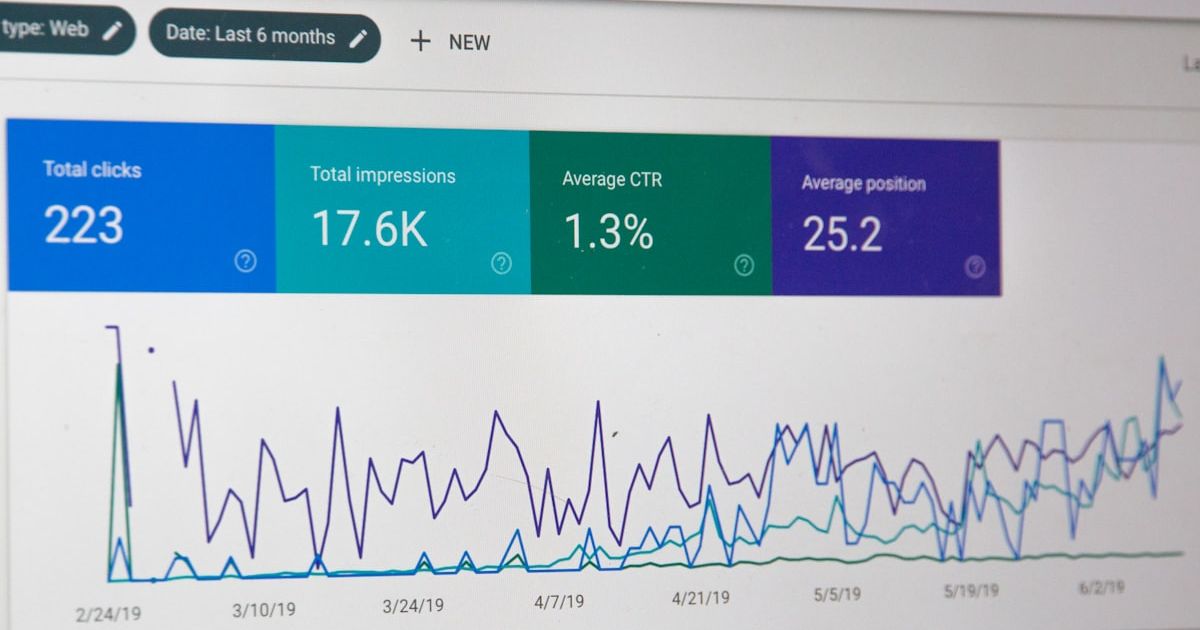
- Google Search Console: Track keyword rankings, impressions, clicks, and identify any indexing issues.
- Heatmaps and Session Recordings: Tools like Hotjar can show how users interact with your content, revealing areas for improvement.
The Role of Humanizer in AI Content SEO
Tools like Humanizer (humanizer.site) are purpose-built to bridge the gap between AI-generated efficiency and human-quality SEO. By taking AI text and transforming it to sound more natural, less repetitive, and bypass AI detection, Humanizer helps content creators:
- Enhance Readability: Improve sentence structure, vocabulary, and flow, making content more engaging for human readers.
- Increase Undetectability: Significantly reduce the likelihood of AI detectors flagging your content, ensuring it's perceived as human-written.
- Boost E-E-A-T: By making content sound more authentic and nuanced, it indirectly contributes to perceived expertise and trustworthiness.
- Save Time on Editing: While human oversight is still required, Humanizer automates much of the "humanizing" process, freeing up editors to focus on factual accuracy and adding unique insights.
Integrating such a tool into your workflow ensures that your AI-generated articles not only meet the quantity demands but also the crucial quality benchmarks required for high search engine rankings.
Conclusion
AI-generated articles offer an incredible opportunity to scale content production, but success in SEO doesn't come from automation alone. The key to ranking AI content lies in a strategic blend of AI efficiency and human intelligence. By meticulously conducting keyword research, optimizing for search intent, structuring for readability, and most importantly, humanizing your AI output with tools like Humanizer, you can create articles that resonate with both search engines and human readers. Remember to fact-check, inject originality, build E-E-A-T, and continuously monitor performance. In the evolving landscape of AI content, those who commit to quality, authenticity, and user value will ultimately achieve the highest search rankings.