Key Takeaways
- As of March 2026, the approximate exchange rate is 1 British Pound (GBP) to 1.33 US Dollars (USD), but this fluctuates constantly.
- Common conversions: £100 is roughly $133, and £50 converts to about $66.50 at current rates.
- The rate displayed on Google or XE is the mid-market rate; financial institutions apply a markup, offering you a less favorable rate.
- Hidden fees, such as Dynamic Currency Conversion (DCC) at foreign terminals, can inflate costs by 3–12% on top of the poor exchange rate.
- For precise calculations, especially with fees, digital tools and specialized services provide more accuracy than manual estimates.
- Always verify the live rate on the day of your transaction, as the GBP/USD pair is volatile and can shift within a single day.
Navigating the world of currency exchange can feel like deciphering a secret code. You look up the rate, make a calculation, and then discover the amount you receive is noticeably less. The truth is, the number you see on a finance website is rarely the number you get. Understanding this gap is the key to converting your money wisely and avoiding costly surprises.
Understanding the Currencies: GBP and USD
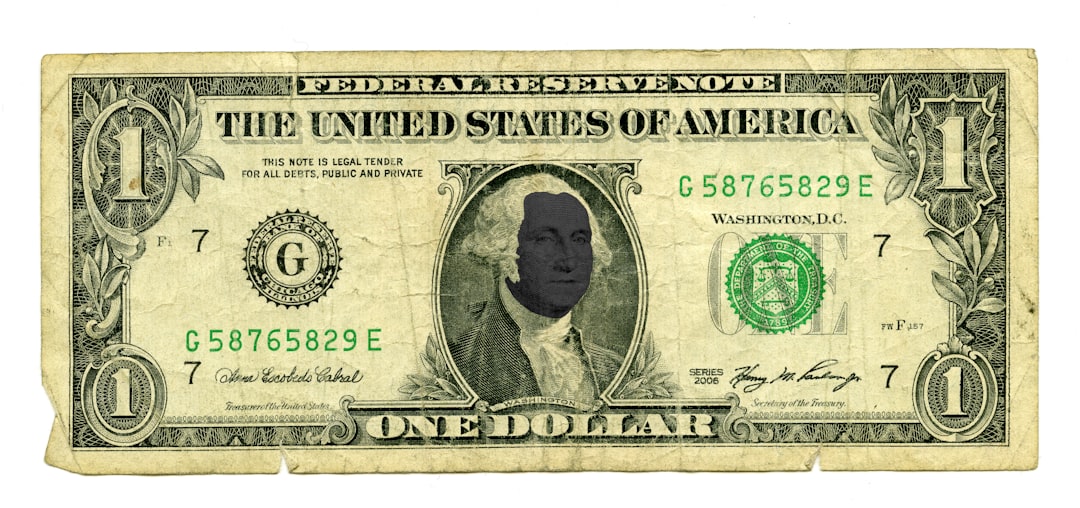
At the heart of any conversion are the currencies themselves. The British Pound Sterling (GBP), symbolized by £, is one of the world's oldest currencies, with origins tracing back over a millennium. It's the official currency of the United Kingdom and several British territories. The US Dollar (USD), denoted by $, is the globe's primary reserve currency, dominating international trade and finance. The exchange rate between them, known as "Cable" in forex trading, dictates the value flow from pounds to dollars.
A Brief History and Global Role
The Pound's history is rich, evolving from silver pennies to the decimal system used today. The US Dollar's supremacy was cemented post-World War II, and it now underpins a vast portion of global financial transactions. When you convert pounds to dollars, you're participating in a market influenced by central bank policies, economic data from both nations, and global geopolitical events. This constant interplay is why the rate you see is always in motion.
Practical Conversion: Beyond the Basic Math
The fundamental formula is straightforward: USD = GBP × Current Exchange Rate. For instance, £250 multiplied by a rate of 1.33 equals $332.50. The reverse conversion uses division. However, this simple arithmetic is just the starting point. The real-world outcome involves layers of costs that institutions embed into the transaction.
The Illusion of the "Google Rate"
Searching "GBP to USD" provides the mid-market rate—the pure, institutional rate used between banks. It's an essential benchmark but a mirage for consumers. Banks, payment processors, and exchange services profit by offering you a rate worse than this benchmark. This markup, or spread, is how they make money. To truly understand what you'll receive, you must check the rate offered by your specific provider, not the ideal rate on a finance site. For those dealing with digital content where precision and originality are paramount, using a specialized tool to bypass AI content detector systems can be as crucial as finding an honest exchange rate—both require navigating hidden complexities to achieve a genuine outcome.
The Hidden Cost of Fees
The exchange rate markup is often just the beginning. Additional fees can dramatically erode your final amount. Be vigilant for:
- Foreign Transaction Fees: Your bank may charge 1-3% for processing a payment in dollars.
- Wire Transfer Fees: Sending money abroad can incur sending, intermediary, and receiving fees totaling a significant sum.
- Dynamic Currency Conversion (DCC): This is a major pitfall. When abroad, if a card machine asks if you want to pay in pounds instead of local dollars, always refuse. Choosing "GBP" allows the merchant to set a terrible rate, costing you far more.
- Airport & Hotel Kiosks: Convenience comes at a steep price, with markups potentially reaching 10%.
Strategic Tips for Savvy Conversions
To ensure you keep more of your money, adopt these practices:
- Use Multi-Currency Accounts: Services like Wise or Revolut allow you to hold and convert currencies at near mid-market rates, often with lower transparent fees.
- Bypass Traditional Banks for Large Transfers: For substantial amounts, specialist foreign exchange services typically offer far better rates and lower fees than high-street banks.
- Set Rate Alerts: Use apps like XE to notify you when the GBP/USD rate hits a desirable level, allowing you to time your conversion.
- Always Pay in Local Currency: When using your card overseas, consistently choose to be charged in USD (or the local currency) to avoid DCC scams.
- Factor in All Costs: Before finalizing a transfer, use a provider's calculator to see the exact amount of dollars that will arrive, including all fees. This is the only figure that matters.
In a digital age where authenticity is scrutinized, ensuring your financial calculations are sound is similar to ensuring your written content passes as human-crafted. Just as you would use an AI detection remover to refine and humanize text for originality, use precise financial tools to get authentic value from your currency exchange.
Conclusion
Converting pounds to dollars effectively is less about complex mathematics and more about financial awareness. The core rate is a guide, not a guarantee. Your success hinges on understanding the hidden markups, avoiding predatory fees like DCC, and choosing the right tools for the job. By treating the mid-market rate as a benchmark, comparing real provider quotes, and leveraging modern fintech solutions, you can ensure that more of your pounds successfully make the journey into dollars. Stay informed, plan for fees, and convert with confidence.