Mosaic plagiarism — also called patchwork plagiarism — is one of the most deceptive and misunderstood forms of academic dishonesty. Unlike simple copy-paste theft, it weaves borrowed phrases and ideas from multiple sources into a seemingly original text, often without proper attribution. It is subtle enough that many students and professionals commit it without realizing they've crossed an ethical line.
In this comprehensive guide, you'll learn exactly what mosaic plagiarism is, how it differs from other types of plagiarism, why it's considered serious academic misconduct even when text has been paraphrased, and what concrete steps you can take to avoid it in your writing.
Key takeaways
- Mosaic plagiarism involves stitching borrowed phrases from multiple sources into your work without citation — even when words are slightly changed.
- It's treated as seriously as direct copying by most universities and professional institutions.
- AI detection tools and plagiarism checkers like Turnitin can flag mosaic patterns.
- Proper citation — in APA, MLA, or Chicago style — is the primary defense against mosaic plagiarism.
- Developing your own argument and using sources as evidence (not as substitutes for analysis) is key.
- Content writers can use an AI text humanizer to rephrase and humanize AI-generated drafts while retaining original ideas.
- Consequences range from failing grades to expulsion, or job loss and legal liability in professional contexts.
What Is Mosaic Plagiarism?
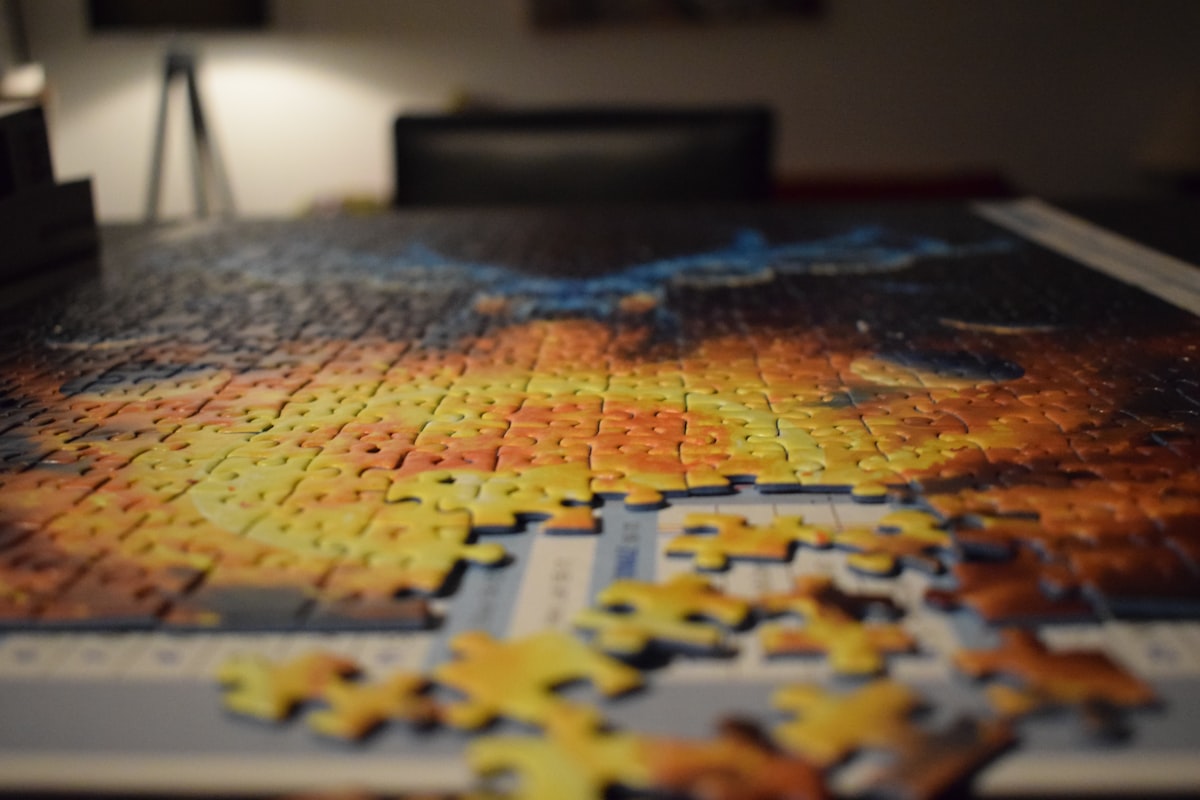
Mosaic plagiarism occurs when a writer borrows words, phrases, sentence structures, or ideas from one or more sources and incorporates them into their own work — sometimes with slight rewording or paraphrasing — without giving proper credit. The resulting text looks original on the surface, but it is actually a patchwork of borrowed content assembled like tiles in a mosaic.
The term "mosaic" is fitting: just as a mosaic artwork is made from many small, distinct pieces assembled into a larger picture, mosaic plagiarism stitches together fragments from different sources to create the appearance of an independent, original piece of writing.
What makes mosaic plagiarism particularly tricky is the belief that changing a few words transforms borrowed content into your own. It does not. Academic integrity standards require that you credit any idea, argument, phrasing, or conclusion that isn't yours — regardless of how much it has been altered.
Mosaic Plagiarism vs. Other Types of Plagiarism
Understanding how mosaic plagiarism differs from other forms of plagiarism helps clarify why it's treated so seriously.
Direct Plagiarism
Direct plagiarism — copying text verbatim without quotation marks or attribution — is the most obvious form. Tools like Turnitin and iThenticate detect it easily by matching exact phrases. Example:
Original: "Climate change is primarily driven by the burning of fossil fuels, which releases greenhouse gases into the atmosphere."
Direct plagiarism: "Climate change is primarily driven by the burning of fossil fuels, which releases greenhouse gases into the atmosphere." (no citation, no quotation marks)
Mosaic Plagiarism
Mosaic plagiarism is subtler: phrases are rearranged or lightly paraphrased, but the ideas, structure, and specific language remain borrowed. Example:
Mosaic plagiarism: "The burning of fossil fuels is the main driver of climate change, as it releases greenhouse gases that build up in the atmosphere." (no citation)
Even though individual words differ, the sentence structure, argument, and specific phrasing are all taken from the original source without acknowledgment.
Paraphrasing Plagiarism
Paraphrasing plagiarism involves restating someone else's ideas entirely in your own words and sentence structure — but still failing to provide a citation. This is also a violation of academic integrity, because the idea itself belongs to the original author, regardless of how it's phrased.
Self-Plagiarism
A less obvious form, self-plagiarism occurs when a writer reuses their own previously published or submitted work without disclosure. While it does not involve stealing from others, it violates expectations of original contribution in academic and professional contexts.
Real-World Examples of Mosaic Plagiarism
Mosaic plagiarism appears across many writing contexts — from student papers to journalism and content marketing.
Student Papers
A student researching the causes of the French Revolution reads three textbooks and several journal articles. Rather than synthesizing the material and developing their own argument, they stitch together sentences from each source — changing a word here, rearranging a clause there — and submit the result without citations. The paper reads as original, but nearly every idea and phrasing traces back to the sources.
Journalistic Writing
A blogger covering a scientific study copies key sentences from the original research paper and the university press release, lightly rewording them and presenting the text as their own reporting. No attribution is given to the original researchers or institution.
Content Marketing
A content writer tasked with producing a product comparison article draws liberally from competitor reviews, mixing and matching phrases from five different sources. The resulting article reads as comprehensive original analysis — but it's a mosaic of borrowed content.
Why Mosaic Plagiarism Is Taken Seriously
Many writers — especially students — mistakenly believe that paraphrasing or lightly rewording source material is always acceptable without citation. This is a fundamental misunderstanding of intellectual property and academic integrity.
The core principle is straightforward: if the idea, argument, finding, or conclusion originates with another author, you must acknowledge them — regardless of how the phrasing has been altered. Academic and professional standards protect the originator of ideas, not just exact words.
Universities treat mosaic plagiarism as seriously as direct copying for this reason. You are still claiming credit for intellectual work that isn't yours. The effort required to subtly reword borrowed content doesn't change the nature of the violation — it may actually aggravate it, because it demonstrates conscious concealment.
Consequences of Mosaic Plagiarism
Academic Consequences
- Failing grade on the assignment or course. Most university honor codes impose automatic zero grades for plagiarism violations.
- Academic probation. A first offense may result in a formal warning and placement on academic probation.
- Suspension or expulsion. Repeated violations or severe first offenses often result in temporary suspension or permanent expulsion.
- Notation on academic record. Some institutions record academic dishonesty findings permanently, affecting graduate school and professional applications.
Professional Consequences
Outside academia, mosaic plagiarism can result in termination, damaged professional reputation, and legal liability. Journalists and authors have lost careers after mosaic plagiarism scandals. In fields with strict standards — medicine, law, research — fabricating or misrepresenting original work can result in license revocation or lawsuits.
How to Avoid Mosaic Plagiarism: A Step-by-Step Guide
1. Read, Close the Source, Then Write
One of the most effective techniques is the "read-and-cover" method. After reading a source, close it and write your notes or draft entirely from memory. This forces you to process and translate the ideas into your own cognitive framework — reducing the temptation to inadvertently reproduce phrasing you've just read.
2. Develop Your Own Argument First
Before consulting sources, draft a rough thesis and outline based on what you already know. Then use sources as evidence to support, challenge, or refine your argument — not as a substitute for it. Your analysis should drive the writing; sources should serve it.
3. Take Notes in Your Own Words
When researching, summarize sources in your own words from the beginning. Write the core idea in one sentence, then set the source aside. Avoid copying passages into your notes, even temporarily — what begins as a placeholder often ends up in the final draft.
4. Cite Everything That Isn't Yours
When in doubt, cite. A citation does not make your writing look weaker — it demonstrates rigor and intellectual honesty. Any idea, finding, statistic, argument, or phrasing that originates with another author needs attribution in the appropriate citation style.
5. Use Direct Quotes When Exact Wording Matters
When specific phrasing is important — a precise definition, a significant finding, a memorable statement — use a direct quote with quotation marks and full citation. Do not try to paraphrase what is better left as a quote.
6. Run a Plagiarism Check Before Submitting
Use a plagiarism detection tool before submitting. Tools like Turnitin (academic), iThenticate (research and publishing), and Copyscape (web content) can identify matching phrases even when words have been changed. Some platforms, like bypass AI detection tools, also help writers identify patterns that might trigger automated content detection.
Citation Styles: APA, MLA, and Chicago
Proper citation is the primary defense against all forms of plagiarism. The three most common styles have specific conventions:
APA (American Psychological Association)
Used widely in social sciences, psychology, and education. In-text citations include author last name and year: (Smith, 2023). The reference list provides full bibliographic details at the end of the document.
MLA (Modern Language Association)
Common in humanities — literature, film, cultural studies. In-text citations use author last name and page number: (Smith 47). A "Works Cited" list appears at the end.
Chicago
Used in history, arts, and some social sciences. Chicago offers two systems: notes-bibliography (footnotes/endnotes + bibliography) and author-date (similar to APA). Choose the system appropriate for your field.
Tools That Detect Mosaic Plagiarism
Modern plagiarism detection software has become increasingly sophisticated. Here are the main tools used in academic and professional contexts:
- Turnitin. The most widely used academic plagiarism checker. Compares submissions against a database of academic papers, web content, and student submissions. Can detect paraphrased and mosaic content through semantic similarity algorithms.
- iThenticate. Used by publishers, journals, and research institutions. Comprehensive database covering academic publications and internet content.
- Copyscape. Popular for web content and digital publishing. Identifies duplicate or near-duplicate content across the internet.
- Grammarly Plagiarism Checker. Accessible tool for individual writers, checks against web content in real time.
- PlagScan and PlagiarismCheck.org. Alternative academic and professional checkers with international databases.
Mosaic Plagiarism and AI-Generated Content
As AI writing tools become more prevalent, new questions arise about mosaic plagiarism. AI models generate text by synthesizing patterns from large training datasets — essentially producing mosaic-like outputs at scale, drawing from countless sources without explicit citation.
For writers using AI tools, the responsibility to verify originality, add proper citations, and develop independent analysis remains with the human author. Submitting AI-generated text that mosaic-aggregates source material — even if produced by a model — can still constitute plagiarism under academic and professional standards.
Writers who use AI-assisted drafts should review the output carefully, add original analysis, verify factual claims against primary sources, and cite any specific information drawn from identifiable sources. Tools designed to humanize and refine AI output can help make the text more coherent and naturally written, but they do not replace the need for proper attribution.
Conclusion
Mosaic plagiarism is one of the most common and misunderstood forms of academic dishonesty. Its subtlety — the fact that it involves paraphrasing and rearranging rather than direct copying — leads many writers to believe they are operating within acceptable boundaries. They are not. The standard for original work is not about exact words; it's about ideas, arguments, and the intellectual labor of others.
Avoiding mosaic plagiarism requires developing genuine academic habits: reading critically, taking notes independently, building your own argument, and citing everything that originates with someone else. These habits are not just about avoiding consequences — they are the foundation of credible, rigorous writing.
When in doubt, cite your sources, use direct quotes for precise language, and let your own voice and analysis lead the writing. The goal isn't just to avoid detection — it's to produce work that genuinely reflects your thinking and contributes something original to the conversation.