
Key Takeaways
- The core difference between "license" and "licence" stems from the divergence between American and British English spelling conventions.
- In American English, "license" is used for both the noun (a permit) and the verb (to grant permission). In British English, "licence" is the noun, and "license" is the verb.
- Choosing the correct form depends on your target audience and the consistency of the dialect you are using throughout your document.
For anyone navigating the complexities of English, few things are as subtly frustrating as the spelling variations between American and British English. The debate between "license" and "licence" is a perfect example—a small detail that can trip up even experienced writers and signal a lack of attention to detail. This isn't just about regional preference; it's about understanding the linguistic history and grammatical rules that govern professional and academic communication.
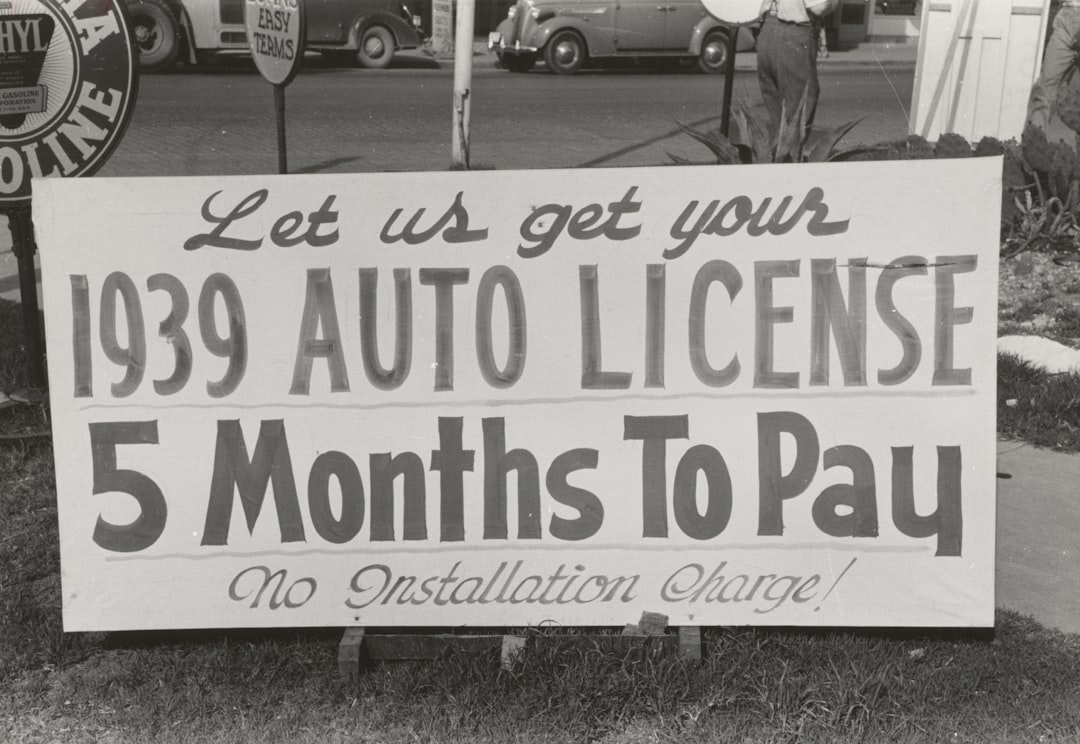
Decoding the License vs. Licence Conundrum
At its heart, both "license" and "licence" refer to the same concept: official permission. Whether it's to drive a car, broadcast a signal, or use software, the fundamental idea is authorization. The confusion arises not from meaning, but from orthography—the spelling conventions that evolved separately in the United States and the United Kingdom.
This is part of a broader pattern where American English often simplifies spellings. Think "color" vs. "colour" or "organize" vs. "organise." The "license/licence" pair follows a specific grammatical rule in British English that distinguishes parts of speech through spelling, a nuance American English largely abandoned.
The Grammatical Rule: Noun vs. Verb
The simplest way to remember the difference is through grammar:
- American English: Uses "license" for everything. It's a one-size-fits-all spelling.
- Noun: "She renewed her driver's license."
- Verb: "The agency licenses new businesses."
- British English: Follows a noun/verb distinction.
- Noun (with C): "He applied for a television licence."
- Verb (with S): "The council licenses new premises."
This British rule mirrors other word pairs like "practice" (noun) / "practise" (verb) and "advice" (noun) / "advise" (verb). Consistency here is key; mixing conventions in a single document looks unprofessional.
Practical Guide: When to Use Which Spelling
Knowing the rule is one thing; applying it correctly in real-world writing is another. Your primary guide should always be your audience.
Default to "License" (American Spelling)
In most global and digital contexts, American English is the default. You should use "license" for both noun and verb if:
- You are writing for an international audience or a U.S.-based company.
- Your work is in technology, software, or global business.
- You are following style guides like APA, MLA, or Chicago, which use American English.
- You are unsure. When in doubt, "license" is the safer, more universally recognized choice in the digital age.
Use "Licence" (British Noun) Selectively
Reserve the spelling "licence" strictly for when you are writing noun forms for a definitively British audience. This includes:
- UK government publications (e.g., "TV Licence," "driving licence").
- Content for institutions in Commonwealth countries that follow British English.
- Academic work submitted to a British university.
Beyond the Permit: Figurative Uses and Common Errors
The concept of a license isn't always literal. We often hear terms like "poetic licence" or "artistic license," which refer to the freedom to deviate from facts or rules for creative effect. Here, the same spelling rules apply:
- American English: "The filmmaker took creative license with the historical timeline."
- British English: "The novelist used poetic licence in her narrative."
The most frequent error writers make is inconsistency—mixing American and British spellings within the same text. Your word processor's spell check can be a culprit here if set to the wrong dialect. Always ensure your language settings (e.g., "English (United States)" vs. "English (United Kingdom)") match your intended audience.
Ensuring Flawless Professional Communication
In professional and academic writing, precision is non-negotiable. A misplaced 'c' or 's' can subtly undermine your credibility. Here are final strategies for mastery:
- Audience First: Before you write a word, identify your primary reader's location and expectations.
- Style Guide Adherence: Consult the relevant style guide (APA, MLA, The Guardian Style Guide, etc.) and follow it religiously.
- Tool Configuration: Set your grammar checker (like Grammarly or Microsoft Editor) to the correct English variant to get accurate feedback.
- Consistency Check: Do a final review specifically for dialectal consistency. Look for other tell-tale words like "color/colour" or "analyze/analyse" to ensure you haven't switched conventions mid-document.
For content creators managing high volumes of text, maintaining this level of detail manually is demanding. Leveraging technology designed for refinement, such as an AI humanizer tool, can assist in polishing content to meet specific stylistic and dialectal standards, ensuring every piece of communication is perfectly tailored.
Conclusion
The journey of "license" and "licence" from a single Latin root to a modern spelling dilemma encapsulates the living, evolving nature of English. While it may seem like a minor detail, mastering this distinction is a mark of a careful and knowledgeable writer. The rule is straightforward: use "license" for American English and global contexts; reserve "licence" exclusively for the noun form in British English. By applying this knowledge consistently, you communicate with authority and precision, leaving no room for doubt in the mind of your reader.